
Anxiety Counseling in Austin, TX
Regain Control of Your Life
Anxiety can make it feel like your thoughts are racing ahead of you — rehearsing disasters, replaying conversations, never quite letting you rest. Therapy combines self-awareness, practical tools, and real empathy so you can meet each day feeling prepared instead of braced.

4.9★
Average rating in our most recent client survey
15 years
Serving Austin since 2011
4,000+
Clients served
30 therapists
With varied licensure and levels of experience
Meet Emma.Your first conversation starts here.
I’m here to meet you where you are and work alongside you toward meaningful change.
Sees clients online.


Karla Chamberlain, LMFT
Licensed Marriage and Family Therapist
I help others quiet the noise so they can connect with inner wisdom and live with purpose.
Emma Lapin, LPC-A
Licensed Professional Counselor Associate
I’m here to meet you where you are and work alongside you toward meaningful change.

Kristy Demers, LCSW
Licensed Clinical Social Worker
I recharge by meditating, getting outside, and being with people who lift me up.

Vanessa Alegria, LMFT-A
Supervised by
Kristen Pierce, LMFT‑SI love spending time with family and friends, reading (especially historical fiction), and traveling.

Sarah Becker, LPC-A
Supervised by
Rosalie Piedra, LPC‑SI'm a big hobbyist — circus arts, rock climbing, and hands-on DIY.

Karla Corro, LPC
Licensed Professional Counselor
I love time with my three dogs and husband — hikes and road trips!

Brynna Miller, LPC
Licensed Professional Counselor
I love yoga, hiking, travel, and getting way too invested in historical dramas.

Jadese Jasper, Internship Student
Supervised by
Marla Sanderson, LMFT‑SI love meditation, music-filled dog walks, new recipes, and history rabbit holes.

Wynden Rogers, LPC-A
Supervised by
Doc Davis, LPC‑SI care for myself by noticing what I need — quiet reflection, time outdoors, rest.

Susan Thompson, MA, LPC
Therapist, LPC
I love Barton Springs, Longhorn Football and being a mom. Probably in the reverse order.

Giselle Otamendi, LCSW
Licensed Clinical Social Worker
I'm bilingual and proudly Latina.


Jennifer Kirsten, LMSW
Supervised by
Gianna Viola, LCSW‑SI'm happiest swimming, hiking, cooking, or journaling in nature.

Jinjin Lu, LPC-A
Supervised by
JonTayé Bonds, LPC‑SAustin native — pickleball, rom-coms, and “summer days” (matcha included).

Kristin Vaughn, PhD
Executive Director, Clinical Psychologist
Austin native who loves walks in nature, cooking, and time with my family.

















Looking for a therapist? We’ll help you find a perfect match.
Our therapist finder makes it easy. It’s free, there’s nothing to sign up for, and it takes about a minute.
- Narrow by insurance, availability, and how a therapist works
- Save the ones you want to come back to
- Or just describe what you’re going through, and let it find the fit
Recognize the Hidden Strain
Anxiety rarely announces itself. It shows up as tension, avoidance, and a mind that fast-forwards to the worst-case version of everything. Signs we hear about most often:
- Worry that starts before your feet hit the floor
- Muscle tension, jaw clenching, or headaches with no other explanation
- Racing thoughts at bedtime — and 3 a.m. wake-ups
- Avoiding calls, invitations, or decisions to keep the dread down
- Irritability or restlessness that surprises even you
- Feeling fine on the outside while running on fumes inside
Recognize a few of these? Reach out — a short conversation with our team can tell you a lot, with no commitment.


Take Charge Early
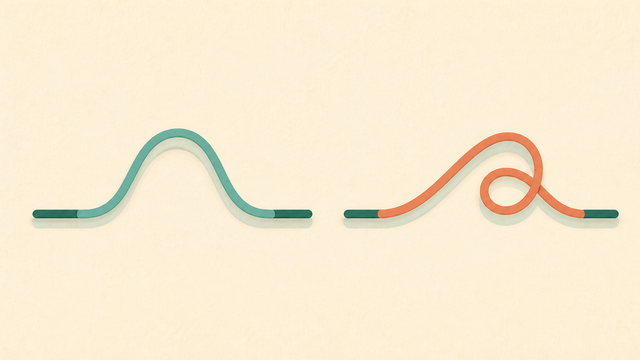
Anxiety tends to expand into the space you give it. Early intervention interrupts that arc — before everyday worry hardens into panic, chronic tension, or a shrinking comfort zone. In the first few sessions we map what sets your anxiety off, how it moves through your body and your schedule, and what a realistic plan looks like.
Your first anxiety session, start to finish
No couch clichés, no interrogation. Your therapist asks what brought you in, listens for the pattern underneath — when the worry shows up, what it costs you, what you’ve already tried — and starts sketching a plan with you, not for you.
Most people leave the first session with two things: a sense of relief at finally saying it all out loud, and one concrete tool to try before session two.
Wondering if it’s time? Ask for a call — we’ll tell you plainly what we’d suggest.
Go deeper on the AMC blog
COMING SOONWhat a Panic Attack Is — and Isn’tCOMING SOONWhen Worry Becomes Generalized AnxietyDevelop Coping Tools
You’ll leave therapy with tools, not just insight: breathing techniques that calm a nervous system in real time, grounding practices that work in a grocery store, and cognitive-behavioral skills for catching the worry spiral before it picks up speed.
Every technique is matched to your specific pattern — what works for social anxiety isn’t what works for 3 a.m. dread — and practiced until it holds up under pressure, not just in the therapy room.
Foster Self-Compassion
Anxious minds tend to be harsh minds — the inner critic and the worry loop feed each other. We help you notice that voice, question it, and practice a steadier one, because reshaping how you talk to yourself changes what your nervous system braces for.
Medication, therapy, or both?
It’s one of the most common questions we get, and the honest answer is: it depends on your situation, and it’s your call. Therapy alone helps many people significantly; for others, medication prescribed by a physician or psychiatrist makes the therapy work faster and stick better.
Our therapists don’t prescribe, but we’re glad to coordinate with your prescriber — or point you to one — and we’ll give you our straight read on what we’re seeing, either way.
Want to talk it through? Ask for a call.
Go deeper on the AMC blog
COMING SOONMedication and Therapy: How They Work TogetherCOMING SOONWhy Self-Criticism Feeds AnxietyEmbrace Lasting Change
The goal isn’t a life with zero anxiety — it’s moving from fear-driven reactions to calm, intentional responses. That shift compounds: better sleep, easier decisions, relationships with more room in them. Most clients can feel the difference within the first several weeks.
We work with several insurance plans and offer clear self-pay rates — see Rates & Insurance, or get in touch and we’ll check your coverage before you begin.
The Anxiety Therapy Journey
From first call to calm that holds — here’s the whole arc.
1Reach out
A short, low-pressure conversation about what’s been going on. It takes just a few minutes, and there’s no commitment.
2Get matched
Our therapist finder pairs you with the therapist best suited to your kind of anxiety — because fit is what makes the work go.
3Map the worry
Early sessions trace your anxiety’s pattern — triggers, body signals, what it’s costing you — and turn that into a plan you both believe in.
4Practice tools that travel
Breathing, grounding, and CBT skills rehearsed in session until they work where you actually need them — meetings, traffic, 3 a.m.
5Calm that holds
We track progress together and say so when you’re ready — the summit is a nervous system that recovers on its own.
How We Treat Anxiety
Every anxious mind runs its own pattern, so your therapist draws from several evidence-based approaches and follows your lead.
Mindfulness-based therapy
Noticing anxious thoughts without being run by them — the skill underneath every other skill. Every AMC therapist is also a trained mindfulness teacher.
Cognitive behavioral therapy
The link between thoughts, feelings, and actions — examined with care, so the worry spiral loses its automatic quality.
Breathing & nervous-system regulation
Techniques that calm the body directly — because you can’t think your way out of a fight-or-flight response, but you can breathe your way down from one.
Gradual, consent-based exposure
For avoidance that’s shrunk your world, we rebuild range one manageable step at a time — at your pace, never as a dare.
Self-compassion practices
Turning down the inner critic that keeps the nervous system braced — reshaping harsh self-talk into something you can actually live with.
EMDR for anxiety with roots
When anxiety traces back to something that happened, EMDR helps the memory lose its charge — paced carefully, always with consent.
Find the right therapist for your anxiety
Choose whichever way feels easier. Scroll down to meet the AMC therapists who treat anxiety and request someone by name.
Or answer a few questions in our therapist finder, and we’ll suggest therapists whose experience and availability may fit your needs.

What our clients are saying about us
The breathing technique, being gentle to myself, and learning to recognize when I am not living in the present moment, among other coping skills my therapist has been teaching me have helped me tremendously with anxiety. She is easy to talk to, gentle, and listens without judgement. I am so thankful I found her and recommend her to everyone.
Frequently Asked Questions About Anxiety Counseling
If your mind is already racing with questions, this is a gentle place to start.
How do I know if my anxiety is bad enough for therapy?
Many people wait, telling themselves others have it worse, so it’s okay that you’re asking. Everyone worries sometimes. It may be time to reach out when worry is there most days, is hard to switch off, or starts shaping your choices: skipping plans, putting off calls, losing sleep, feeling tense for no clear reason. You don’t have to be in crisis to deserve support, and “bad enough” isn’t the bar. Getting help earlier often makes the work feel lighter.
What kind of therapy works best for anxiety?
There’s good news here: anxiety is one of the most studied areas of therapy, and several approaches have strong support. Cognitive behavioral therapy helps you loosen the thought patterns that keep worry going. Gradual, step-by-step exposure helps you take back the places anxiety has made smaller. Mindfulness-based approaches and ACT help you relate to anxious thoughts without being run by them. A good therapist fits the approach to you, not the other way around.
How long does therapy for anxiety take?
When you’re hurting, it’s natural to want to know how long until it eases. Many people notice some change within the first several weeks of regular sessions, and a focused course of therapy often runs a few months of weekly meetings. Anxiety that has been around for years, or is tangled up with past experiences, may take longer. You’ll have a say in the pace, and how you’ll know therapy is working describes what to watch for.
Will my anxiety ever go away completely?
It’s a hope almost everyone carries into therapy. Some anxiety is part of being human, and it’s there to protect you, so the aim usually isn’t to erase it. Therapy helps anxiety shrink back to a size that no longer runs your days: fewer spirals, quicker recovery after a hard moment, more room for sleep, work and the people you love. Small practices, like a worry journal, help along the way. Progress is rarely a straight line, and that’s normal.
Do I need medication for anxiety, or is therapy enough?
There’s no single right answer, and it’s okay to be unsure. Research supports therapy alone, medication alone, and the two together, depending on the person. Many people do well with therapy by itself; others find medication takes enough of the edge off to make therapy easier to use. Our therapists don’t prescribe, so medication is a conversation with a physician or psychiatrist. Your therapist can help you think it through and work alongside a prescriber if you choose that path.
I’m anxious about going to therapy. Is that normal?
Very normal, and it makes a lot of sense: reaching out to a stranger about the very thing that makes you nervous is a big step. You don’t have to have your thoughts organized or explain everything at once. You can say you’re nervous, and a good therapist will slow down with you. If calling is hard, text (512) 578-8070 or browse our therapists first. It may also help to read what actually happens in a first session.
Can therapy help with panic attacks?
Yes. Panic attacks are frightening, and many people fear something is wrong with their body. Therapy helps you understand what’s happening during an attack, learn tools to ride it out, and stop living around fear of the next one. Panic can feel like a medical emergency, so check new symptoms like chest pain with a doctor. If you can’t stay safe, call or text 988, or call 911 or go to the nearest ER if you’re in immediate danger.
Is online therapy as helpful as in-person for anxiety?
For many people, yes. Meeting from a familiar place can feel calmer, especially if leaving the house or driving is part of what anxiety makes hard. Some people find an office helps them focus or practice getting out into the world, and that’s a fine choice too. We offer secure online therapy anywhere in Texas, and about half our clients meet online. You can also meet in person in North Austin or South Austin.
How do I find the right therapist for my anxiety?
Feeling at ease with your therapist is one of the things that matters most, so it’s worth choosing with care. Look for someone experienced with your kind of anxiety, whether that’s constant worry, social anxiety, panic or anxiety tied to past experiences. Then notice how you feel after a session or two: heard, not judged, a little more hopeful. Filter by insurance, availability and approach, or describe what you’re going through, in our therapist finder.
Does insurance cover anxiety counseling, and what does it cost?
Knowing the cost up front can take one worry off your plate. We accept several plans for individual counseling, including Aetna, BCBS-TX, Cigna and Optum (Oscar, Oxford, UnitedHealthcare); see every plan we take. Medicaid and Medicare aren’t accepted, and insurance doesn’t cover couples or family sessions. Self-pay rates run $75 to $200 a session. Call or text (512) 578-8070, or find your fit in about a minute with our therapist finder.
Still have questions?
Whether you’re wondering about insurance, choosing a therapist, or getting started, our team is here to help.
Call or text (512) 578-8070Monday–Friday, 9 a.m.–5 p.m.