
Why Trauma Lives in the Body (and What That Actually Means)
‘Trauma lives in the body’ gets repeated everywhere. Here’s what it actually means — nervous-system patterns, not stored files — and why it matters.
What do you actually get from anxiety therapy? Concrete tools — breathing that works, grounding, graded exposure — and how each one earns its keep.
When depression drains all motivation, waiting to feel like it doesn’t work. Why action comes before motivation — and how small a first step can be.
Depression day to day is rarely sadness. It’s numbness, effort, and everything costing more. What it actually looks like — and why you might miss it.
Adult ADHD rarely looks like the classroom stereotype. The quieter signs that get missed for decades — and why a list isn’t a diagnosis.
Somatic Experiencing works with the body’s stress responses instead of retelling your story. A plain-English guide to how it works and who it’s for.
A start-to-finish walkthrough of an EMDR session — including the part nobody tells you: you don’t have to narrate the trauma out loud.
EMDR explained without the jargon — what the eye movements actually are, why the name is so odd, and how to know if it’s worth considering.
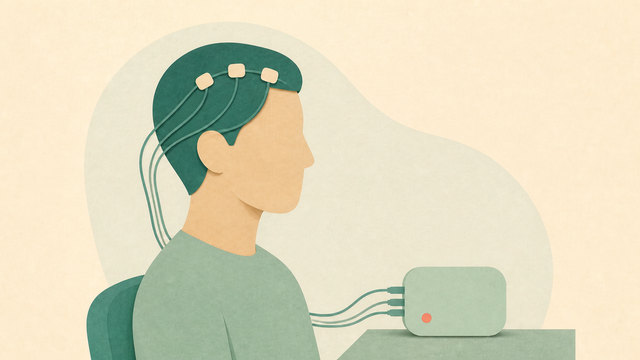
Microcurrent neurofeedback in plain English: what it is, what a session involves, what we observe clinically, and what the research can’t yet say.
Divorce, diagnosis, estrangement, infertility — losses nobody sends flowers for are still grief. Why it counts, and why naming it matters.