
Child Counseling in Austin, TX
Nurture Emotional Growth
Children often grapple with big feelings they can’t yet name or control. When worries or changes in behavior show up, getting support early makes a real difference. Our child-focused therapy helps kids understand their emotions, put words to what they’re feeling, and build resilience that lasts.

4.9★
Average rating in our most recent client survey
15 years
Serving Austin families since 2011
4,000+
Clients served
30 therapists
With varied licensure and levels of experience
Meet Karla.They'd be glad to hear from you.
I help others quiet the noise so they can connect with inner wisdom and live with purpose.
Sees clients in person at our North Austin office in Northwest Hills, and online.

Karla Chamberlain, LMFT
Licensed Marriage and Family Therapist
I help others quiet the noise so they can connect with inner wisdom and live with purpose.

Emma Lapin, LPC-A
Licensed Professional Counselor Associate
I’m here to meet you where you are and work alongside you toward meaningful change.

Giselle Otamendi, LCSW
Licensed Clinical Social Worker
I'm bilingual and proudly Latina.

Kristy Demers, LCSW
Licensed Clinical Social Worker
I recharge by meditating, getting outside, and being with people who lift me up.

Jinjin Lu, LPC-A
Supervised by
JonTayé Bonds, LPC‑SAustin native — pickleball, rom-coms, and “summer days” (matcha included).

Susan Thompson, MA, LPC
Therapist, LPC
I love Barton Springs, Longhorn Football and being a mom. Probably in the reverse order.


Looking for a therapist? We’ll help you find a perfect match.
Our therapist finder makes it easy. It’s free, there’s nothing to sign up for, and it takes about a minute.
- Narrow by insurance, availability, and how a therapist works
- Save the ones you want to come back to
- Or just describe what you’re going through, and let it find the fit
Recognize Early Warning Signs
A rough week is normal. What deserves attention is a pattern that holds for several weeks or starts getting in the way of school, friendships, or sleep. Things we hear from parents most often:
- Ongoing worry or clinginess that doesn’t ease
- Slipping grades or refusing to go to school
- Stomachaches or headaches with no medical cause
- Big outbursts over small triggers
- Pulling away from friends and favorite activities
- New fears or changes in sleep
Not sure if it’s just a phase? Reach out — a short conversation with our team can tell you a lot, with no commitment.
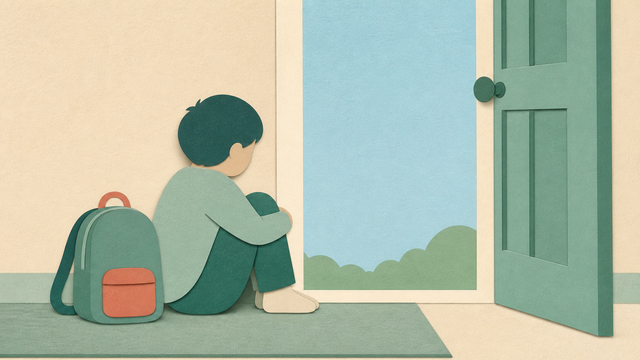



Engage Through Play
Play therapy techniques allow kids to express themselves in a natural, less intimidating way. Through imaginative games or art, they reveal emotions they might struggle to explain verbally. This approach fosters trust and gives us insights that guide effective treatment plans.
What actually happens in a session?
First, we listen to you: what’s changed, and what you’re hoping for. Then sessions with your child look a lot like play — games, drawing, stories — because play is the language kids naturally use to work through feelings. Underneath it, your therapist is watching for themes and gently building skills.
You stay in the loop the whole way: we share what we’re seeing and what to try at home, without breaking the trust your child builds in the room. The first meeting is usually with you, not your child.
Curious whether your child would click with a therapist? Getting started begins with a simple, low-pressure intake.
Develop Healthy Coping
We introduce child-friendly techniques like breathing exercises, simple mindfulness, or “worry journals” to manage stress. These tools help children learn self-soothing skills they can use at school or home. As they gain control over their feelings, their confidence steadily grows.
Skills are practiced in session, then coached at home so they stick. Not sure which of these your child needs most? Get started, or ask for a call if you’d rather talk it through first.
Strengthen Communication
Teaching kids to verbalize needs and emotions reduces frustration and outbursts. We also work with parents, offering strategies to support healthier interactions at home. That teamwork keeps things consistent between sessions and home, so positive changes have room to take hold.
Expect regular parent check-ins, concrete strategies for tricky moments, and consistent language between the therapy room and your kitchen table. Questions about how this works with school, siblings, or two households? Ask us — we’ve seen it.
Foster Lasting Resilience
Child therapy isn’t just about short-term fixes; it’s about laying a strong emotional foundation for the future. By learning to cope with small challenges now, children build inner strength for bigger hurdles later in life. Over time, they become more independent and self-assured.
How long does it take — and what about cost?
Every child is different. Many families notice a shift within the first handful of sessions; deeper goals take longer, and we review progress with you as we go rather than leaving therapy open-ended. If we think you’re done, we’ll say so.
We work with several insurance plans and offer clear self-pay rates — see Rates & Insurance for specifics. Coverage for children’s therapy varies by policy, and insurance doesn’t cover family sessions, so we’d rather check yours before you begin — get in touch and we’ll look into it with you.
Therapists on our team who see children include Eleni Milliken, LPC-A and Wynden Rogers, LPC-A — you can request a specific therapist when you get started.
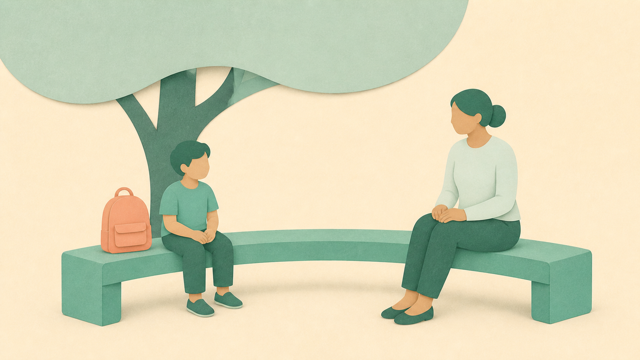
The Client Therapy Journey
Wondering what happens after you reach out? Here’s the whole arc, from first call to confident goodbye.
1Reach out
A short, low-pressure conversation about what’s been going on and what you’re hoping for. It takes just a few minutes, and there’s no commitment.
2Get matched
Our therapist finder pairs your child with the best-fit therapist — because with children, fit matters more than method.
3Parents first
The first meeting is usually with you, not your child. You share the history, and we plan the approach together.
4Sessions that look like play
Games, drawing, and stories — the language kids naturally use — while your therapist gently builds skills underneath.
5Review, grow, graduate
We track progress with you and say so when your child is ready — confidence that lasts is the summit.
How We Work With Children
Every child is different, so your therapist draws from several evidence-based approaches and follows your child’s lead.
Play therapy
Play is the working medium of childhood. Games, sand, figures, and stories are how children process feelings they can’t yet put into words.
Child-friendly CBT
The connection between thoughts, feelings, and actions — taught in kid terms, with feelings charts, characters, and practice instead of lectures.
Kid-size mindfulness
The same skills we teach adults, delivered in 60-second playful doses: belly breathing, grounding, and noticing a feeling before reacting to it.
Parent coaching
Regular check-ins, shared language, and concrete strategies for home, so progress doesn’t stall between sessions. You’re part of the team.
EMDR for children
For children carrying a difficult event, EMDR helps the memory lose its charge — adapted for young minds and paced gently.
Expressive arts
Drawing, storytelling, and creative work give feelings a shape a child can look at, talk about, and change — especially when words are hard.
Find the right therapist for your child
Choose whichever way feels easier. Scroll down to meet the AMC therapists who work with children and request someone by name.
Or answer a few questions in our therapist finder, and we’ll suggest therapists whose experience and availability may fit your family’s needs.
What our clients are saying about us
The breathing technique, being gentle to myself, and learning to recognize when I am not living in the present moment, among other coping skills my therapist has been teaching me have helped me tremendously with anxiety. She is easy to talk to, gentle, and listens without judgement. I am so thankful I found her and recommend her to everyone.
Frequently Asked Questions About Child Counseling
Bringing your child to therapy is a big step. Here are the questions parents ask us most.
How do I know if my child needs therapy, or if it’s just a phase?
Every parent wrestles with this, and asking means you’re paying close attention. Kids have hard weeks, and many worries pass on their own. What deserves a closer look is how long something lasts, how intense it is, and how much it gets in the way of school, friendships, sleep or family life. A change that sticks around for several weeks, or a shift that doesn’t feel like your child, is worth talking through with us, with no commitment.
What age can a child start therapy?
It’s natural to wonder whether your child is too young. Children as young as preschool age can benefit when the work fits how they think and play, and support for very young children often happens mostly through you. As kids grow, sessions include more talking, and older ones may be ready for counseling for teens. Our therapists each see particular ages, so our intake team or our therapist finder can point you to the right fit.
How do I explain therapy to my child?
You might worry that bringing it up will make your child feel something is wrong with them. Keep it simple, calm and honest. You could say a therapist is someone who helps kids with big feelings and hard things, and that lots of kids go. Avoid calling it a “doctor” visit, and make clear it isn’t a punishment. For younger children, mention the games and drawing. Showing them their therapist’s photo ahead of time can help, too.
Will I be part of my child’s therapy?
Yes, and likely more than you expect. You know your child best, and change sticks when it’s supported at home. The first meeting is usually with you, not your child, so you can share the history. After that, your child’s therapist will check in with you and offer ideas to try at home. You don’t have to have done anything wrong for your child to need support. If the whole household feels the strain, family counseling can help, too.
Why does my child’s therapy look like they’re just playing?
It’s a fair question when your child tells you they “played with toys.” For many children, play is how they work through feelings they can’t yet put into words. A trained therapist uses games, drawing, stories and pretend play with purpose: watching for themes, building trust and practicing new skills along the way. Older children usually move toward more talking. Some of our therapists use play therapy, and others bring in child-friendly CBT or mindfulness.
Will the therapist tell me what my child says in sessions?
Wanting to know what’s going on with your child is completely understandable. Children open up more when they trust the room is theirs, so therapists usually share themes and progress rather than every word. That balance keeps your child feeling safe while you stay informed. If there’s ever a concern about your child’s safety, or anyone else’s, the therapist will tell you. They’ll explain how they handle privacy at the start. For older kids, see what a teen’s therapist shares.
How long does child therapy take, and how will I know it’s working?
You want to know your child is getting better, and that therapy won’t go on with no end in sight. Some families notice a shift within the first several sessions, while deeper or longer-standing struggles take more time. Progress with kids often looks quiet: fewer meltdowns, an easier bedtime, a calmer morning before school, a child who names a feeling instead of acting on it. Your child’s therapist will review goals with you along the way.
Does insurance cover therapy for children, and what does it cost?
Cost matters, and many plans cover children’s therapy, though coverage depends on your policy. We accept several plans for individual counseling, including Aetna, BCBS-TX, Cigna and Optum (Oscar, Oxford, UnitedHealthcare); see every plan we take. Medicaid and Medicare aren’t accepted, and insurance doesn’t cover couples or family sessions. Self-pay rates run $75 to $200 a session. Call or text (512) 578-8070, or find your fit in about a minute with our therapist finder.
Can my child do therapy online?
Many parents wonder whether a screen can hold a child’s attention long enough to help. It depends on your child’s age, attention and what they’re working on. Older children often do well by video, and it can fit more easily around school and activities. Younger children often do best in person, where play is easier, and parent sessions usually work well online. We offer online therapy anywhere in Texas and in-person sessions in North Austin and South Austin.
Still have questions?
Whether you’re wondering about insurance, choosing a therapist, or getting started, our team is here to help.
Call or text (512) 578-8070Monday–Friday, 9 a.m.–5 p.m.