
Couples Counseling in Austin, TX
Strengthen the Bond that Brought You Together
Financial stress, parenting, or simply drifting apart — every relationship carries pressure. By addressing miscommunication head-on and building healthier patterns, couples often rediscover a closeness they thought was gone. Our sessions give you both the tools to rebuild trust and support each other well.

4.9★
Average rating in our most recent client survey
15 years
Serving Austin since 2011
4,000+
Clients served
30 therapists
With varied licensure and levels of experience
Meet Shelly.Room to breathe, and someone to listen.
Brevity is wit.
Sees clients in person at our North Austin office in Northwest Hills, and online.


Karla Chamberlain, LMFT
Licensed Marriage and Family Therapist
I help others quiet the noise so they can connect with inner wisdom and live with purpose.

Vanessa Alegria, LMFT-A
Supervised by
Kristen Pierce, LMFT‑SI love spending time with family and friends, reading (especially historical fiction), and traveling.

Emma Lapin, LPC-A
Licensed Professional Counselor Associate
I’m here to meet you where you are and work alongside you toward meaningful change.

Kristin Vaughn, PhD
Executive Director, Clinical Psychologist
Austin native who loves walks in nature, cooking, and time with my family.




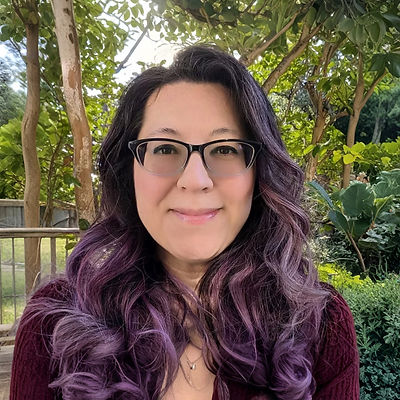

Looking for a therapist? We’ll help you find a perfect match.
Our therapist finder makes it easy. It’s free, there’s nothing to sign up for, and it takes about a minute.
- Narrow by insurance, availability, and how a therapist works
- Save the ones you want to come back to
- Or just describe what you’re going through, and let it find the fit
Identify Underlying Strain
Tension doesn’t always come from obvious arguments — it builds silently. Unresolved resentment, differing expectations, or things left unsaid can erode a connection you once treasured. What brings couples to us most often:
- The same argument on a loop, with new topics
- Conversations that stay logistical — kids, bills, schedules
- Feeling more like roommates than partners
- Trust that took a hit and hasn’t recovered
- One of you shutting down while the other pursues
- Big transitions — new baby, move, loss — straining the seams
See yourselves in a few of these? Reach out — a short conversation with our team can tell you a lot, with no commitment.
Foster Open Dialogue
We build a room where respectful honesty is possible — both partners heard, both valued. You’ll learn to navigate disagreements without blame, so conflict becomes information instead of ammunition, and remember why you chose each other in the first place.
What if my partner won’t come?
More common than you’d think — and not a dead end. One willing partner can start alone; changing your half of a pattern reliably changes the dance, and reluctant partners often join once they see therapy isn’t a courtroom.
When your partner is willing but wary, a low-stakes first session helps: no verdicts, no sides taken, just both stories on the table. Our therapists are explicit about being on the relationship’s side — not yours, not theirs.
Want advice for your exact standoff? Ask for a call.

Develop Supportive Skills
Listening actively and speaking mindfully sound simple — until the moment is heated. We give you practical exercises that turn tense moments into collaboration, practiced in session until they hold up at home.
Small changes compound: a softer start to a hard conversation, a repair attempt that lands, a pause instead of a pursuit. Over time these rebuild faith in each other’s intentions.

Resolve Root Conflicts
Repeated arguments are usually symptoms. We go after the core issues underneath — the unmet need, the old wound, the expectation nobody said out loud — because that’s where real forgiveness and renewed respect become possible.
Will the therapist take sides?
No — and we say that in the room, early. The client in couples counseling is the relationship itself. Your therapist will absolutely name unhelpful patterns when they see them, and either of you might feel gently challenged in a given session.
That’s different from taking sides: challenges get distributed with scrupulous fairness, and both of you get to feel fully heard before any pattern gets named.
More questions about how sessions work? Ask for a call.

Embrace Shared Growth
Couples counseling isn’t just about fixing what’s broken — it’s about nurturing what works. When you evolve together, you gain the resilience to weather future storms, and the bond that brought you here stays strong and vibrant.
We don’t accept insurance for couples counseling, so sessions are self-pay: $100 a session with an internship student, $160 with an associate, and $190 with a fully licensed therapist. Insurance may still cover individual counseling for either of you. See Rates & Insurance, or get in touch with any questions before you begin.
Go deeper on the AMC blog
 What Can Austin Couples Therapy Do for Your Relationship?
The Couples Therapy Journey
From first call to a stronger bond — here’s the whole arc, climbed together.
1Reach out
One of you makes a short, low-pressure call about what’s been going on. It takes just a few minutes, and there’s no commitment.
2Get matched
Our therapist finder pairs you both with a couples therapist suited to your situation — fit matters double when there are two of you.
3Both stories on the table
Early sessions make sure each of you feels fully heard — then we name the pattern together and agree on what we’re climbing toward.
4New patterns in practice
Communication and repair skills rehearsed in session until they hold up at home — in the kitchen, in the car, at 11 p.m.
5A stronger bond
We track progress with you both and say so when you’re ready — the summit is a relationship that can repair itself.
How We Work With Couples
Every relationship has its own pattern, so your therapist draws from several evidence-based approaches and follows what your partnership needs.
Mindfulness-based therapy
Noticing your own reaction before it becomes your next move — the skill that de-escalates almost everything. Every AMC therapist is also a trained mindfulness teacher.
Communication & repair skills
Softer starts, active listening, and repair attempts that land — practical moves drawn from the couples research, practiced live.
Attachment & pattern work
The pursue-withdraw cycle, the old wounds each of you brought in — named without blame so the pattern, not a person, becomes the problem.
Trust & repair after rupture
Structured, honest work for betrayals large and small — accountability on one side, gradual re-opening on the other, at a pace you set.
Transitions & life stress
New baby, blended family, career shifts, loss — support for the seasons that strain even solid partnerships.
Individual work alongside
Sometimes the relationship work goes faster when one partner also has their own space — we’ll say so, and individual counseling is right here.
Find the right therapist for you and your partner
Choose whichever way feels easier. Scroll down to meet the AMC therapists who work with couples and request someone by name.
Or answer a few questions in our therapist finder, and we’ll suggest therapists whose experience and availability may fit your needs.

What our clients are saying about us
The breathing technique, being gentle to myself, and learning to recognize when I am not living in the present moment, among other coping skills my therapist has been teaching me have helped me tremendously with anxiety. She is easy to talk to, gentle, and listens without judgement. I am so thankful I found her and recommend her to everyone.
Frequently Asked Questions About Couples Counseling
Reaching out, together or on your own first, takes courage. Here are the questions couples ask us most.
How do we know if we need couples counseling?
If you’re asking, something has probably felt off for a while, and that’s worth taking seriously. Couples often come in when the same arguments keep circling, when conversations shrink to logistics, or after something has shaken trust. You don’t need to be in crisis. Many couples come during a big change, like a new baby, a move or a loss, or simply to feel closer. A short conversation with our team can help you decide.
Is it too late for couples counseling if we’re thinking about divorce?
When divorce is on the table, counseling can feel like it would only delay the inevitable. Not necessarily. Many couples arrive there and still find their way back. Others use counseling to get clear on whether to stay, especially when one partner is leaning out and the other wants to try. A therapist won’t push you either way. Whatever you decide, you’ll decide it with more understanding and less regret. Call or text (512) 578-8070 to talk it over.
What happens in the first couples session?
It’s natural to picture a tense room where someone gets put on trial. In reality, the first session is mostly about getting to know you both: how you met, what’s been hard, what still works and what each of you hopes will change. You’ll each have room to tell your side. Some therapists also meet with each partner alone early on. Tears or quiet stretches don’t mean it’s going badly. Before you come, you can meet our therapists.
How long does couples counseling take?
Wanting a sense of the commitment is reasonable, especially when you’re both busy. Many couples meet for somewhere around 12 to 20 sessions over a few months, though it varies. A couple working through one rough patch may need fewer; healing from a betrayal or years of distance may take more. Sessions are often weekly at first, then spaced out as things settle. Your therapist will check in with you both, so you’re not left wondering whether it’s working.
Can couples counseling help after an affair?
Discovering an affair can upend everything, and you may both be carrying feelings that pull in opposite directions. Many couples do rebuild after infidelity, though it takes time and rarely follows a straight line. Counseling gives you a structured place for the hurt partner’s questions and pain, real accountability from the partner who strayed, and, over time, an understanding of what made the relationship vulnerable. A therapist can’t promise an outcome, but can help you through it, together or apart.
Does insurance cover couples counseling, and how much does it cost?
Cost often comes up early, so here it is plainly. We don’t accept insurance for couples counseling; most plans don’t cover it, because the relationship itself isn’t a medical diagnosis. Couples sessions are self-pay: $100 with an internship student, $160 with an associate, and $190 with a fully licensed therapist, paid by cash, check, HSA or major credit card. Insurance may still cover individual counseling for either of you. See rates and insurance, call or text (512) 578-8070, or use our therapist finder.
Can we do couples counseling online?
If your schedules rarely line up, online sessions may make counseling possible at all. Research on couples work by video finds results close to meeting in person, and many couples like talking from home. Most join from the same room; if you’d need to join from two places, our intake team can explain how that works. We offer secure online therapy anywhere in Texas, plus in-person sessions in North Austin and South Austin. Some couples mix both.
Should we do individual therapy too, or instead?
It’s a good question, and the answer depends on what’s going on. If a struggle shows up across many of your relationships, or one of you is carrying depression, grief or past trauma, individual therapy can help alongside couples work, or before it. If the hard part lives mainly between the two of you, couples counseling puts that relationship at the center. Many people do both at different times, and our intake team can help you decide where to begin.
Is couples counseling a good idea if I don’t feel safe with my partner?
If part of you feels afraid of your partner, please take that feeling seriously. Couples counseling works best when both people can speak openly without fear of what happens at home afterward. When there is violence, threats or control, joint sessions can add risk, so starting with individual support is often safer. The National Domestic Violence Hotline is there anytime at 1-800-799-7233. For a mental health crisis, call or text 988, or call 911 if you’re in immediate danger.
Still have questions?
Whether you’re wondering about insurance, choosing a therapist, or getting started, our team is here to help.
Call or text (512) 578-8070Monday–Friday, 9 a.m.–5 p.m.