
New Fears and Sleepless Nights: First Signs of Childhood Anxiety

Sudden new fears and disrupted sleep are often the first visible signs of childhood anxiety. What’s normal, what’s worth watching, and what helps.
 ByDr Kristin Vaughn
Sudden new fears and disrupted sleep are often the first visible signs of childhood anxiety. What’s normal, what’s worth watching, and what helps.
 ByDr Kristin Vaughn
When a meltdown is wildly out of proportion to the trigger, the trigger isn’t the cause. What big outbursts are really communicating, and what helps.
 ByDr Kristin Vaughn
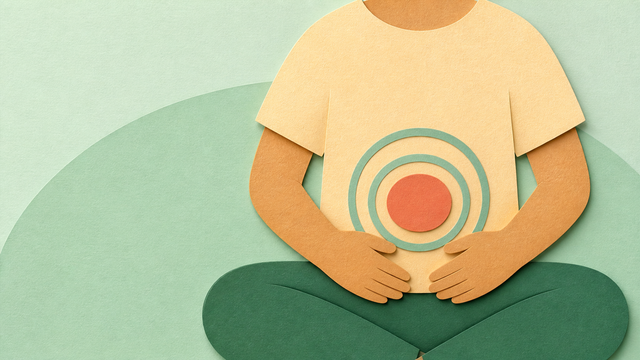
Your child’s stomachaches are real — even when the pediatrician finds nothing. How worry shows up in kids’ bodies, and what the pattern tells you.
 ByDr Kristin Vaughn
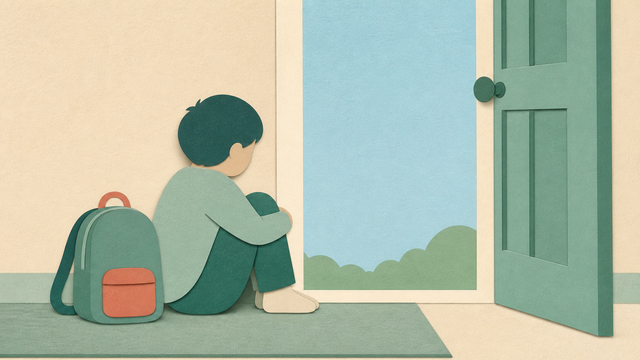
If your child refuses to go to school, it’s rarely defiance. Here’s what’s actually happening, why they seem fine by ten o’clock, and what helps.
ByDr Kristin VaughnYou’re paying for therapy and your child says they played the whole time. Here’s why play is the work — not a warm-up before it.
ByDr Kristin VaughnThe first child therapy appointment usually doesn’t include your child. Here’s what the parent intake covers, why we start there, and how to prepare.
ByDr Kristin VaughnInside a play therapy session: the themes, repetition, and small shifts a therapist is tracking while your child plays — and how skills get built in.
ByDr Kristin VaughnWhat parents are told about their child’s therapy sessions, what stays private, and why that privacy is exactly what makes the therapy work.
ByDr Kristin VaughnBelly breathing works for kids — if you teach it right. The smell-the-flower, blow-out-the-candle method and why rehearsal matters.
ByDr Kristin VaughnHow a worry journal helps anxious kids: getting worries out of the head and onto paper, the prediction trick, and how to start one at home.