
ADHD Therapy in Austin, TX
Support That Works With Your Brain
ADHD can affect far more than attention. It can shape time, motivation, emotions, relationships, school, work, and the way you see yourself. Our therapists help you understand your patterns and build support that fits your life—not force you into someone else’s system.

4.9★
Average rating in our most recent client survey
Since 2011
Serving the Austin community
4,000+
Clients served
30 therapists
One team, many specialties, under one roof
Meet Sarah.Someone who will listen first.
I'm a big hobbyist — circus arts, rock climbing, and hands-on DIY.
Sees clients in person at our North Austin office in Northwest Hills, and online.


Karla Chamberlain, LMFT
Licensed Marriage and Family Therapist
I help others quiet the noise so they can connect with inner wisdom and live with purpose.

Kristy Demers, LCSW
Licensed Clinical Social Worker
I recharge by meditating, getting outside, and being with people who lift me up.
Sarah Becker, LPC-A
Supervised by
Rosalie Piedra, LPC‑SI'm a big hobbyist — circus arts, rock climbing, and hands-on DIY.

Wynden Rogers, LPC-A
Supervised by
Doc Davis, LPC‑SI care for myself by noticing what I need — quiet reflection, time outdoors, rest.

Susan Thompson, MA, LPC
Therapist, LPC
I love Barton Springs, Longhorn Football and being a mom. Probably in the reverse order.

Emma Lapin, LPC-A
Licensed Professional Counselor Associate
I’m here to meet you where you are and work alongside you toward meaningful change.

Giselle Otamendi, LCSW
Licensed Clinical Social Worker
I'm bilingual and proudly Latina.

Karla Corro, LPC
Licensed Professional Counselor
I love time with my three dogs and husband — hikes and road trips!

Brynna Miller, LPC
Licensed Professional Counselor
I love yoga, hiking, travel, and getting way too invested in historical dramas.

Jinjin Lu, LPC-A
Supervised by
JonTayé Bonds, LPC‑SAustin native — pickleball, rom-coms, and “summer days” (matcha included).

Kristin Vaughn, PhD
Executive Director, Clinical Psychologist
Austin native who loves walks in nature, cooking, and time with my family.














Looking for a therapist? We’ll help you find a perfect match.
Our therapist finder makes it easy. It’s free, there’s nothing to sign up for, and it takes about a minute.
- Narrow by insurance, availability, and how a therapist works
- Save the ones you want to come back to
- Or just describe what you’re going through, and let it find the fit
Sound Familiar?
ADHD rarely looks like the classroom stereotype. More often it looks like a capable person quietly exhausted by the gap between what they intend and what the day allows:
- Time blindness — hours evaporate, deadlines ambush, and “five minutes” is never five minutes
- The wall of awful — a simple task grows an invisible emotional barrier that willpower alone won’t move
- A graveyard of abandoned systems — planners, apps, and routines that worked for two weeks
- Shame spirals after another forgotten commitment, even though you cared deeply
- Friction in relationships — interrupting, missed follow-through, or feeling constantly misunderstood
Recognizing yourself? Reach out — you don’t need a diagnosis, or certainty, to start therapy.
How ADHD-Informed Therapy Can Help
Understanding your patterns without judgment. Therapy starts by mapping how ADHD actually shows up in your life — where time disappears, what triggers overwhelm, which strengths keep getting overlooked — without treating any of it as a character flaw.
Practical strategies for attention, emotion, and routines. Together you’ll build concrete supports: ways to start hard tasks, handle emotional flooding, and design routines that account for how motivation actually works for you.
Working with your brain, not against it. The goal isn’t to force yourself into systems that keep failing you. It’s therapy that respects neurodivergent ways of thinking and living — and builds from what already works.
What ADHD Therapy May Look Like
Collaborative, practical, and paced to you. Sessions may draw on CBT and behavioral strategies, executive-function support — planning, prioritizing, follow-through — and self-compassion work for the shame that often rides along with ADHD. You set the priorities; your therapist brings structure and tools.
Do I need a diagnosis before starting?
No. You can start with what’s hard right now — a diagnosis isn’t a prerequisite for support, and your questions are welcome at any stage.
Not sure where to begin? Get in touch.
Go deeper on the AMC blog
COMING SOONRoutines That Survive a Bad WeekCOMING SOONTalking to Your Doctor About ADHD MedicationADHD Support at Every Age
ADHD shows up differently at every stage of life — and good care reflects that.
Adults
For adults, therapy often means structured ADHD support: CBT and behavioral strategies, executive-function assistance, and help untangling the self-criticism that builds up over years. Psychological approaches like CBT are recognized as part of adult ADHD care by the National Institute of Mental Health and the UK’s NICE guideline on ADHD (NG87).
Teens and College Students
Teens and college students are managing rising demands with shrinking external structure. Therapy can focus on planning and study systems, emotional regulation, self-advocacy, and the transition to independence — at a pace that fits where they are.
Children and Families
For children, effective support usually involves the adults around them. The CDC’s ADHD treatment guidance highlights parent-involved behavior therapy — often alongside classroom strategies — especially for younger children. We work with families, not just kids.
You Don’t Have to Have Everything Figured Out Before Starting
You don’t need a diagnosis, a label, or a tidy explanation to begin. If daily life has been harder than it should be, that’s reason enough — and your questions are welcome, including the ones you haven’t found words for yet.
Questions about cost or insurance? See Rates & Insurance, or get in touch and we’ll walk you through it before you commit.
Your Path Through ADHD Therapy
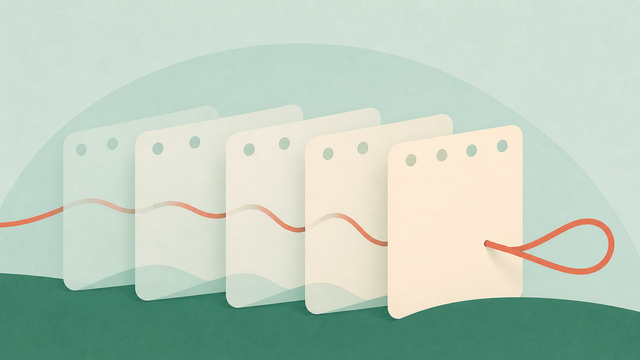
Therapy isn’t about fixing your brain. It’s about understanding the terrain and finding ways forward that work for you.
1Start where you are
Tell us what has been feeling difficult. You don’t need perfect words—or certainty about a diagnosis—to reach out.
2Find the right guide
Connect with a therapist who understands ADHD and listens to how you want to work.
3Learn your terrain
Explore the patterns, strengths, pressures, and needs shaping home, school, work, and relationships.
4Try new routes
Experiment with strategies for attention, emotional regulation, routines, communication, and self-compassion.
5Keep what helps
Adjust what doesn’t work and build support you can sustain at your own pace.
Ready to find a therapist who gets ADHD?
Our free therapist finder helps you find an ADHD-informed therapist by insurance, availability, and how you want to work — it takes about a minute, and there’s nothing to sign up for.
Frequently Asked Questions About ADHD Therapy
Whether you were diagnosed years ago or are still wondering, here are the questions we hear most.
Does therapy help ADHD, or do I need medication?
It makes sense to want to know what will help before you invest your energy. ADHD care is often a mix of education, skills, therapy and, for some people, medication. Therapy helps with what medication doesn’t touch: routines that last, frustration and overwhelm, and years of self-criticism. Some people do well with therapy alone; many find the two work best together. Our therapists don’t prescribe medication, but they can work alongside your prescriber and help you think through your options.
Do I need an ADHD diagnosis before I start therapy?
No. If daily life has felt harder than it should, that’s reason enough to begin, and you don’t need the right words or a label first. Therapy can start with whatever weighs on you most: missed deadlines, tension at home, or a sense of always falling behind. Many people come in still wondering whether ADHD is part of the picture, and that question is welcome in the room. Meet our therapists whenever you’re ready.
Where can I get evaluated for ADHD?
Wanting a clear answer after years of wondering is completely understandable. A formal ADHD evaluation is usually done by a psychologist, psychiatrist or physician experienced in ADHD, and often includes interviews, rating scales and a look at your history. Options and timing vary, so call or text us at (512) 578-8070 to talk through next steps. Meanwhile, you can begin counseling and build support while the evaluation question gets sorted out.
How do I know if it’s ADHD, anxiety or something else?
You’re not alone in feeling confused here. ADHD and anxiety share surface signs like trouble focusing, restlessness and poor sleep, and they often show up together. Depression, stress and trauma can look similar too. The difference is often in the “why”: a mind pulled away by worry is different from one that struggles to hold attention at all. A therapist can help you notice your own patterns, and a qualified evaluator can sort out a diagnosis if you want one.
Can adults have ADHD if no one noticed when they were a kid?
Yes, and finding out later in life is very common. Some kids get by on structure at home and school, or are seen as “dreamy” or “talkative” rather than struggling, especially girls. Then adulthood adds jobs, bills and relationships, and the old workarounds stop holding. Recognizing yourself now can bring relief and grief at the same time. These signs of ADHD in adults may sound familiar, and it’s never too late for support.
What actually happens in ADHD therapy?
It’s practical and collaborative, and it moves at your pace. Sessions often look at where your day falls apart, then try small, specific changes: ways to start dreaded tasks, tools for time and planning, and routines built around how your motivation actually works. CBT and mindfulness are often part of it. Just as important is the emotional side: the shame and self-doubt that build after years of trying hard and still feeling behind.
What’s the difference between ADHD therapy and ADHD coaching?
Both can help, and many people wonder which one they need. Coaching usually focuses on day-to-day systems and accountability, looking forward. Therapy can include that skill-building, and it also makes room for what sits underneath, like anxiety, low mood, relationship strain, or the story you’ve been telling yourself about being “lazy” or “too much.” A licensed therapist can also notice when something else may be going on. If you’re unsure, start with what feels most pressing.
How can therapy help my child or teen with ADHD?
Watching your child struggle, and sometimes clash with you over it, is exhausting. With younger children, the strongest support usually involves parents, who shape the routines, praise and structure that help most, so the work often begins with a parent intake. With teens, therapy turns toward planning, study systems, big feelings and speaking up for what they need. Either way, you’ll be part of it. Learn more about counseling for children and teens.
Can I do ADHD therapy online?
Yes. For many people with ADHD, skipping the commute removes one more thing to plan around, and meeting from home can make it easier to show up consistently. Others focus better in a separate space, and that’s fine too. We offer secure online therapy anywhere in Texas, and about half our clients meet online. You can also meet in person in North Austin or South Austin, or mix the two.
Does insurance cover ADHD therapy, and what does it cost?
It’s reasonable to want the numbers before you start. We accept several plans for individual counseling, including Aetna, BCBS-TX, Cigna and Optum (Oscar, Oxford, UnitedHealthcare); see every plan we take. Medicaid and Medicare aren’t accepted, and insurance doesn’t cover couples or family sessions. Self-pay rates run $75 to $200 a session. Call or text (512) 578-8070, or find your fit in about a minute with our therapist finder.
Still have questions?
Whether you’re wondering about insurance, choosing a therapist, or getting started, our team is here to help.
Call or text (512) 578-8070Monday–Friday, 9 a.m.–5 p.m.