
Can Family Counseling Improve Communication Within My Family?
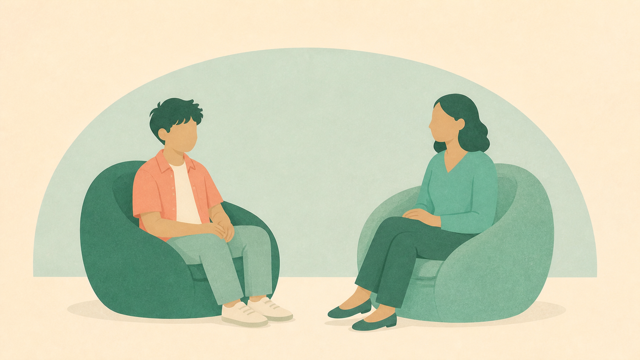
Quick answer: Family counseling is working with a trained therapist to address issues affecting family dynamics and communication. It provides a safe, neutral space where every member can express feelings and concerns while learning techniques like active listening and “I” statements—skills that improve dialogue long after sessions end.
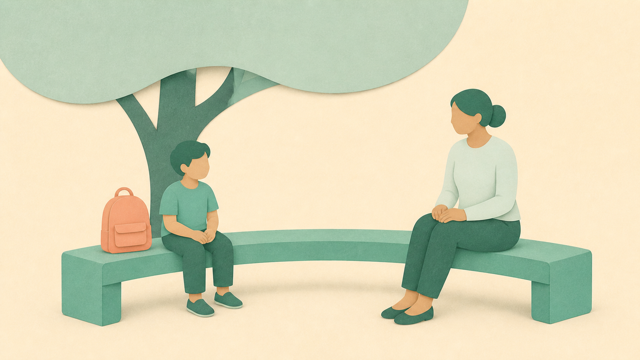
Family counseling can be an essential resource for families looking to improve their communication. It offers a safe space for all members to express their feelings and concerns while learning effective communication techniques. In this article, we’ll explore how family counseling can enhance family dialogue and foster stronger relationships.
What does a family counselor actually do?
A family counselor facilitates discussions and helps families express their thoughts and feelings in a constructive manner.
In many families, communication can take on a life of its own. A trained counselor plays a pivotal role in shaping these conversations into something meaningful, guiding each member to articulate their perspective and fostering connections that may feel strained. The therapeutic process highlights current challenges and sheds light on the underlying patterns that disrupt family harmony—and that awareness is the first step toward change.
What communication barriers do families face?
The most common barriers are misunderstandings, emotional triggers, and past grievances—and identifying them is crucial to paving the way for healthier conversations.
Misunderstandings often lead to emotional distance, and family counselors help dig deep to uncover these hidden issues. Confronting them can feel uncomfortable, but doing so can lead to profound breakthroughs in understanding. Emotional triggers can cause explosive reactions during discussions; by identifying triggers in a safe environment, families develop strategies to manage their responses with more empathy and patience. Unresolved past grievances can also linger and cloud current interactions—counseling encourages open dialogue about them, allowing for healing.
What communication strategies do families learn in counseling?
Core techniques include active listening, expressing feelings without blame, and using “I” statements to convey emotions.
Active listening teaches family members to truly hear what others are saying rather than just waiting for their turn to speak—the result is a richer dialogue built on mutual understanding and respect. Expressing feelings without assigning blame is a game changer: “I feel upset when…” instead of “You always make me feel…” lets emotions be shared without creating defensiveness. Integrated into daily life, these strategies encourage authenticity while reducing miscommunication and conflict. They’re the same skills practiced in couples counseling, applied to the whole household.
Why does a safe space matter for family communication?
Because when everyone feels comfortable sharing without judgment, honesty and openness follow—and those are essential for meaningful communication.
Imagine a place where all family members can speak freely without fear of escalation. Safety boosts confidence, letting members voice disagreements respectfully, and cultivates collaboration rather than competition. A safe space reinforces that it’s okay to disagree as long as disagreements are handled with respect—a foundation for family bonding and smoother resolutions in future conversations.
Do the skills from family counseling last?
Yes—family counseling teaches long-lasting skills that families continue to apply outside of sessions.
The skills learned in counseling are like tools in a toolbox: each has a specific purpose, and the more consistently families use them, the more adept they become at navigating conversations. Regular practice also builds resilience, so when future challenges arrive, families can tackle them head-on with less conflict and more understanding. If your family includes younger members, child counseling and teen counseling can support them individually alongside family work.
Enhancing family bonds through communication
Family counseling can significantly improve communication within your family by providing tools for better understanding, resolving conflicts, and establishing a supportive environment. By seeking help together, families can rebuild trust and improve their connections.
Getting started. If conversations at home keep breaking down, a therapist can help your family communicate differently. Get started with therapy at Austin Mindfulness Center.
Frequently asked questions
What is family counseling?
Family counseling is working with a trained therapist to address issues affecting family dynamics and communication, in a safe and neutral environment where every member can share openly.
What are “I” statements and why do they help?
“I” statements—like “I feel upset when…” instead of “You always make me feel…”—let you share emotions without assigning blame, which reduces defensiveness and leads to healthier discussions.
Will the benefits of family counseling last after sessions end?
Yes. The communication skills learned in counseling are meant to be practiced outside sessions; used consistently, they strengthen family communication and resilience over time.
Get started with a therapist at Austin Mindfulness Center—in person in Austin or online across Texas.